Artist Profile
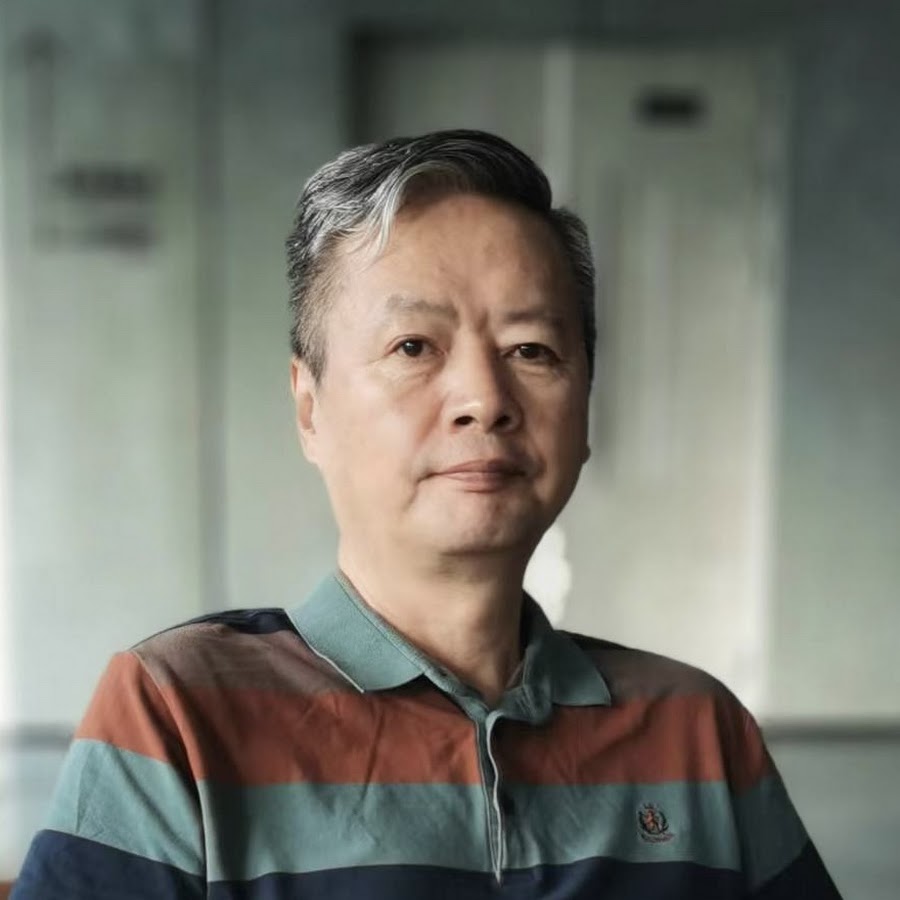
Wu Mingqi
Professional Painter & Calligrapher
About the Artist
Mr. Wu Mingqi is a professional painter and calligrapher. Born in 1963 in Gansu, China, he currently resides in St. Paul's Bay, Malta. He studied in the first Watercolor Assistant Training Program of the Printmaking Department at the Central Academy of Fine Arts, under the guidance of renowned professors Wang Weixin, Wen Guozhang, Wu Changjiang, and Guang Jun.
Professional Memberships
He is a member of the Sichuan Artists Association and a First-Class Painter of the China Petroleum Painting Academy. He has served as a specially invited research fellow of the Sichuan Provincial Government Research Institute of Culture and History, Secretary-General of the Sichuan Overseas Chinese Painting Academy, and painter of the New Social Strata Artists Association under the Sichuan United Front Work Department.
Awards & Achievements
Excellence Award, China Youth Art “Chang’an Gold Medal” Competition
Gold Prize in Fine Arts, China Petroleum Culture Competition
Solo exhibition in Monterey Park, Los Angeles, USA
Solo exhibition at Bingqi Gallery, Alhambra, Los Angeles; awarded Honorary Citizen Certificate by the Mayor of Alhambra
Ink painting Vast Sea with Hundredfold Waves (68 × 136 cm) sold for RMB 46,000 at Hanhai Auction
Ink painting The Red Sun Sets Again in the Century selected for Light of Rejuvenation — National Invitational Exhibition Commemorating the 100th Anniversary of the Xinhai Revolution
Watercolor The Furnace Burns Red selected for the 10th National Watercolor and Pastel Exhibition of China
Three ink works exhibited and auctioned at the “Mona Lisa’s Smile” Original Art Wine Label Exhibition at Château du Clos Lucé, Amboise, France
Participated in Art Xiamen Expo; ink painting Life by the Sea exhibited in Song of Justice exhibition organized by the Sichuan Provincial Government
Exhibited works at Nara City Art Museum, Japan
Artistic Focus: The Camel
Wu Mingqi is especially known for his camel paintings. For nearly thirty years, he has devoted himself to observing camels in their natural habitats—deserts and the Gobi wilderness—accumulating extensive firsthand material. Through continuous refinement of artistic language and technique, moving from complexity toward simplicity, he reveals the camel’s tenacious vitality and free-spirited nature.
He interprets the camel—particularly the double humps—as a metaphor for modern intellectuals: “independent spirit, free thought.” Meditation and introspection permeate his artistic language. In his view, civilization’s progress is reflected in humanity’s understanding of other species and in harmonious coexistence with nature.
The camel caravan carrying the gifts of the Holy Master.
Three Structural Stages & Five Attributes
After long-term sketching and observation, Wu developed a distinctive artistic theory on camels, structured as a “Three-Stage Theory” and “Five Attributes.”
Upper Section — Vision and Perception
The camel’s tall body and elongated neck symbolize foresight and perspective. Its highly specialized nasal structure conserves water efficiently. Thick lips allow it to chew thorny plants and survive harsh conditions. The camel becomes a symbol of humility, integrity, and faithfulness.
Middle Section — Endurance and Regeneration
With its ruminant digestive system and three stomachs, the camel maximizes nutrient absorption. Its fat-storing humps can convert fat into water and energy, allowing survival for weeks without water and up to a month without food.
Lower Section — Stability and Strength
The camel’s broad, cushioned feet provide balance and a “soft landing” on sand. Its weight-bearing structure ensures stability under heavy loads, symbolizing perseverance and grounded strength.
Five Attributes
The camel embodies a composite image of many animals, symbolically integrating the strengths of the twelve Chinese zodiac signs—intelligence, diligence, courage, loyalty, generosity—becoming a guardian figure of resilience and hope.
The camel represents transcendence through self-discipline and long-term vision. As recorded in Li Shizhen’s Compendium of Materia Medica, camels can sense weather and locate water from afar, symbolizing insight and opportunity.
Through endurance and self-regulation, camels survive adversity. Their stored fat sustains life, symbolizing inner strength and unwavering commitment.
Camels coexist harmoniously with other species and possess strong immunity. They symbolize tolerance, cooperation, and shared prosperity.
Drawing from the philosophy of Zhuangzi, the camel represents the ability to “carry all things.” Historically used for plowing, transport, and labor, it embodies responsibility, sacrifice, and steadfast dedication.
Creative Series
Lightning Series
Explores intuition and sudden enlightenment in artistic creation, posing essential existential questions: “Who are you?” and “Where are you going?”
Ice and Snow Series
In vast desert snowscapes, the camel’s courage and clarity emerge. The cold purity reflects the artist’s pursuit of spiritual solitude and transcendence.
Genesis Camel Series
An innovative series portraying entrepreneurs as camel figures contributing to public welfare. Figures depicted include Elon Musk, Jack Ma, Ren Zhiqiang, Feng Lun, and Wang Wei. Based on their personalities, appearances, and entrepreneurial journeys, Wu transforms their human traits into camel imagery, creating unique symbolic portraits.
The Desert’s Persistence and Solitude
Wu Mingqi’s art reflects a profound solitude—an aesthetic contemplation rooted in his temperament, cultural cultivation, and life experiences. Through attentive observation and emotional resonance with camels, he transcends time and species, enriching his works with depth and humanistic meaning. His paintings expand the breadth, depth, and aesthetic resonance of contemporary art, offering viewers a profound contemplative experience.
Contact
+356 99773075
wumingqi133@gmail.com